
 UA
Green Recovery for Ukraine: From Source to Sea
and the project by Zero Waste Lviv NGO: “Double Gap: Employment and Gender Balance in Waste Management”
In 2026–2027, Zero Waste Lviv NGO joins the large-scale international initiative “Green Recovery for Ukraine: From Source to Sea” — an international consortium project led by Coalition Clean Baltic (CCB, Sweden). The project is implemented in Lviv and Volyn regions (Western Bug and Sian river basins) and financed by the Swedish development assistance.
About the Project
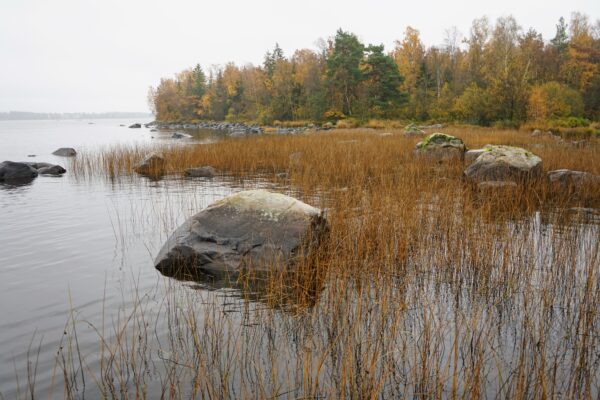
The project is aimed at supporting the green recovery of the Ukrainian section of the Baltic Sea basin (Western Bug and Sian river basins). Rivers in Western Ukraine flow into the Baltic Sea basin, making the protection of these water bodies a crucial component of European environmental security. The project approaches ecological restoration comprehensively, addressing the full spectrum of impacts on water bodies — from measuring chemical pollution to tackling the socioeconomic challenges of war that cause disruptions in the environmentally critical sectors.
Key areas of work:
- Gender gap research in waste management and organic farming —сonducting qualitative and quantitative labor market research in partnership with the FAMA research agency, analysing barriers for women in these industries, developing and implementing interventions to address wartime labor shortages. Zero Waste Lviv and Ecoterra NGOs.
- Study of pesticides and persistent organic pollutants (POPs) — monitoring river pollution caused by Highly Hazardous Pesticides (HHPs) and agrochemical waste, assessing their impact on vulnerable groups (particularly women’s health), and analysing cross-border chemical trade between Baltic region countries and Ukraine. Chemical Safety Agency NGO.
- Water quality monitoring, river restoration, and climate adaptation — systemic assessment of the ecological state of water bodies in the Western Bug and Sian river basins, hands-on restoration of river biotopes, and developing recommendations for local communities on using aquatic ecosystems for recreation/psychological recovery in an environmentally safe way. VRUNA NGO.
- Nature-based psychological rehabilitation and recreation — organising ecotherapy and psychological recovery initiatives in the restored river ecosystems for people affected by the war (specifically veterans and their families). VRUNA NGO.
- International analysis and EU benchmarking — comparing Ukrainian research with data on labor markets, gender balance, structural barriers, and active support programs in Poland and Sweden to study practical experience and tools for empowering women in the green sector. Polski Klub Ekologiczny, Coalition Clean Baltic.
- Community and stakeholder engagement — involving local communities in environmental decision-making and integrating the Ukrainian NGO sector into European networks.
All these directions come together in a single comprehensive model where environmental security, economic resilience, and human well-being reinforce one another. Reducing chemical pollution and implementing sustainable practices cleans Ukrainian rivers and protects the Baltic Sea, while integrating women into green sectors helps overcome wartime labor shortages. Simultaneously, restored river landscapes serve as spaces for the psychological healing of veterans and their families—proving that the resilience of local communities in Ukraine is the cornerstone of environmental security for all of Europe, from source to sea.
Double Gap: Employment and Gender Balance in Waste Management
This is a local project implemented by Zero Waste Lviv NGO within the broader initiative, aimed at addressing a specific socio-ecological problem in the region. Our work focuses on analytics, sociological research, and the implementation of practical solutions in waste management.
Alongside ecological tasks, we work to close the gender gap in Ukraine’s environmental and waste management sectors.
Project components
-
Sociological research
In collaboration with experts from the FAMA sociological agency, we conduct a comprehensive assessment of the waste management sector. Through surveys and interviews, we collect data on current challenges and determine the depth of the gender gap in this industry.
-
Pilot interventions
Based on analytical findings, we will select, design, and implement practical pilot solutions in waste management. Our goal is to test hypotheses in practice, resolve identified issues, and verify the viability of solutions that improve local environmental conditions.
-
Green jobs market for women
We strive to engage more women in environmental services and waste management — particularly in positions traditionally perceived as male-dominated. Therefore, pilot interventions may include consultations for employers and recruiters on gender sensitivity, occupational safety, and creating equal hiring conditions.
-
Community capacity
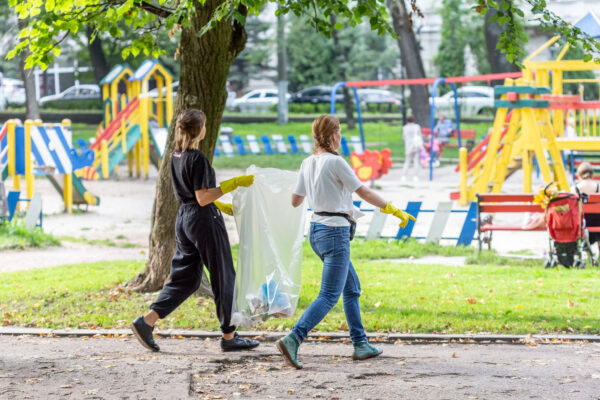
We actively involve local residents, youth, women, and internally displaced persons (IDPs) in research, environmental monitoring, and governance decisions regarding ecological restoration and environmental protection.
Expected results

-
Analytical research on gender status and employment specifics in the environmental sector.
-
Operational pilot solutions and practices in waste management at the community and business levels.
-
Increased share of women applying for professional and managerial roles in environmental enterprises and waste management services.
-
Enhanced community awareness and capacity to independently implement solutions for waste reduction and local ecosystem restoration.
How it works
All the interventions are developed using collected empirical data, desk research, and interviews with local residents. Our goal is to build an effective platform for collaboration among communities, researchers, businesses, and local authorities for the sustainable recovery of our region.
The publication of research findings and the implementation of the interventions are scheduled for early 2027.
This material has been financed by the Swedish development assistance. Responsibility for the content rests entirely with the creator and does not necessarily reflect the views and interpretations of the funder.